


3:2 vs 6:5 Blackjack Payouts – Which is Better?
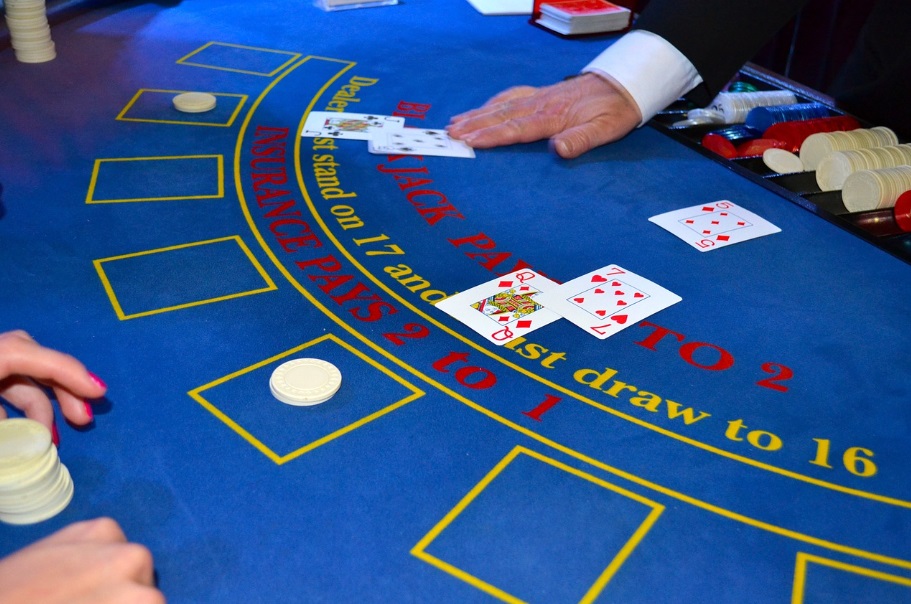
Have you ever found yourself seated at a blackjack table, or even a virtual blackjack table, and see the numbers “3:2” or “6:5” printed on the table? You probably have, but not too many people recognize this or understand what they mean.
Essentially, those numbers describe how much a winning blackjack pays in comparison to your initial stake.
Before you explore the list of top online casinos in the UK, it’s worth understanding the key difference between 3:2 vs 6:5 blackjack payouts, as it can significantly increase your potential winnings.
Simply put, in a 3:2 game, a natural blackjack (ace and a 10-value card) will pay 15 pounds for every ten pounds wagered. This is favored by punters as the returns are much stronger with the extra 50% bonus over the stake you receive in a payout.
3:2 Blackjack House Edge Under Common Rules
Typically speaking, the house edge on a 3:2 blackjack game is 0.5%. You will find that the dealer stands on a soft 17, doubles after the split are permitted, and players are allowed the opportunity to split pairs up to three times.
Now, before you get ahead of yourself with excitement, consider the following:
- S17 vs H17: If the dealer hits soft 17 (H17), the house edge rises by roughly 0.2%.
- DAS vs no DAS: Allowing doubles after splits cuts the edge by about 0.14%.
- Surrender option: Early or late surrender can lower it by another 0.07–0.1%, depending on the variant.
Where to Find 3:2 Blackjack Online and Live in the UK?
For online casino games, the fastest way to confirm payout terms is to navigate to the game’s “Help” or “Info” section. UK-licensed casinos must clearly advertise both the payout ratios and RTP according to UK law.
For live casinos, the payout line will be clearly displayed on the felt table. Alternatively, you may have to ask the dealer before you engage with the game.
6:5 Blackjack Explained
Under these rules, a natural pays around 12 units for every 10 wagered. It is a smaller bonus which can create a sizeable shift in your betting math.
According to data from Blackjack Review Network (2025), switching from 3:2 to 6:5 adds roughly 1.4% to the house edge; even when every other rule stays identical. So, in simple terms, the game looks pretty much identical, but by playing under these rules, you gift the house an advantage which could prove significant over a longer period of time.
3:2 vs 6:5 Hourly Cost Comparison
Let’s assume the following:
- You play 100 hands per hour.
- You bet £10 per hand.
- You get a natural blackjack roughly once every 21 hands.
- The payout difference per blackjack is 0.5 units (i.e. £5 per £10 stake).
At 100 hands per hour, that’s about 4.76 naturals per hour (100 ÷ 21).
The added hourly cost of playing 6:5 instead of 3:2 is:
4.76 × £5 = £23.80 extra lost per hour
That’s before you have even considered the slightly higher house edge on non-blackjack hands. Over a few sessions, 6:5 tables can quietly cost players hundreds more.
Rule Checklist that Changes Value Beyond Payouts
Irrespective of the type of blackjack you play, and by type we mean by the various payouts, any sort of rule change will influence the expected returns.
| Rule | Effect on House Edge |
| Dealer hits soft 17 (H17) | +0.20% |
| No double after split (no DAS) | +0.14% |
| No surrender | +0.08% |
| Resplit Aces allowed | -0.03% |
| 6 decks vs single deck | +0.02–0.50% depending on mix |
| Continuous shuffler (CSM) | Neutral to +0.05% |
Single-Deck 3:2 Myths and Side Bets to Skip
Many players seem to think and believe that single-deck blackjack automatically beats multi-deck games. Now, while this might be the case if the rules are equal, many single deck games tighten up the rules to neutralise any player advantage.
Furthermore, beware of the side bets placed to try and attract your attention. They have a house advantage which often ranges from 3-10%! Devastating for long term or systematic play.
Table Selection Checklist for UK Players
Consider the following before placing your bet.
- Payout: Always 3:2 (never 6:5).
- Dealer stands on soft 17 (S17).
- Double after split (DAS) allowed.
- Surrender option if available.
- Clear RTP displayed and UKGC licensing visible.
- Comfortable pace of play: slower tables and no continuous shuffling mean fewer hands (and losses) per hour.
If all six boxes are ticked, you’re at a strong-value table by 2025 standards.
Does Basic Strategy Change for 3:2 vs 6:5?
The simple answer here is no. The basic strategy doesn’t change based on the payout ratios but rather on the rule changes.
Safer Play and Transparency (UK Standards)
By UKGC code, every licensed casino irrespective of being online or live must provide:
- Deposit limits and session reminders
- Display of RTP or game performance stats
- Accessible player history and time tracking
- Visible licence information
We suggest you use these tools. They’re not just regulatory box-ticking; they help you measure how your real outcomes match theoretical odds and keep gambling sustainable.
Quick Wrap-Up: Choose 3:2 or Walk
Our rule of thumb is rather simple. Pick the 3:2 table or simply walk away. Of course, there are always exceptions, such as when a 6:5 table offers extraordinary compensating conditions (and almost none do), you’ll always keep more of your money playing standard 3:2 blackjack; whether online or at a live UK casino.
Top Poker Room Recommendation

- 27% Rakeback
- $2000 Sign-up Bonus
- Bonus Code: RBCOM
Let's keep in touch