



More views of OwnPoker Poker
OwnPoker Information
| Network | Independent Poker Room |
| Operating | Independent |
| Servers in | Decentralized |
| Company | OwnPoker |
OwnPoker Online Poker Room
Get OwnPoker Rakeback and Bonus
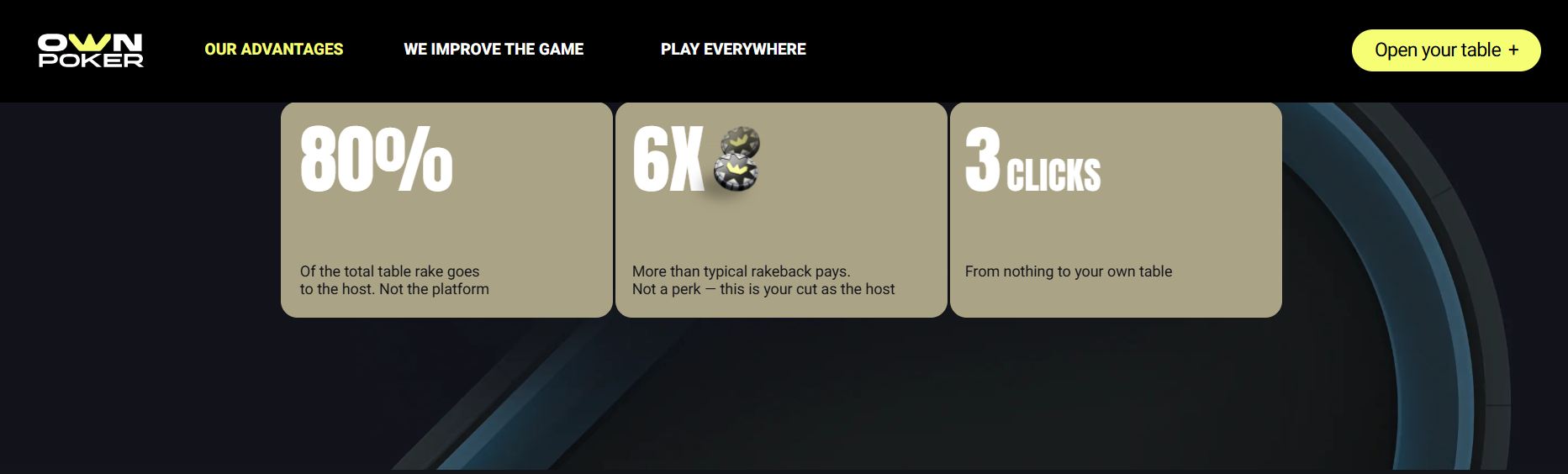
- Rakeback value: Hosts receive 80% per-player rake
- Payment interval: Daily
- Payment type: Cryptocurrency and fiat
www.ownpoker.com
Free download securely from official OwnPoker server
Latest Promotion
OwnPoker Launch Host-Led Poker Platform
How big is OwnPoker?
Despite being a newly launched platform, OwnPoker is well-positioned to capture a meaningful share of the online poker market. This is due to its unique host-led model, established game formats, and highly impressive rakeback structure.
Is it good value?
OwnPoker advertises rakeback rates that are six times higher than those typically offered by traditional platforms. For example, it offers 80% of the rake generated by each player at a full table to the host, totaling 480%.
OwnPoker Review
Most online poker rooms follow a familiar formula: players enter a lobby, find an available table and take a seat. The operator controls the platform and the table environment, while players choose which game to join.
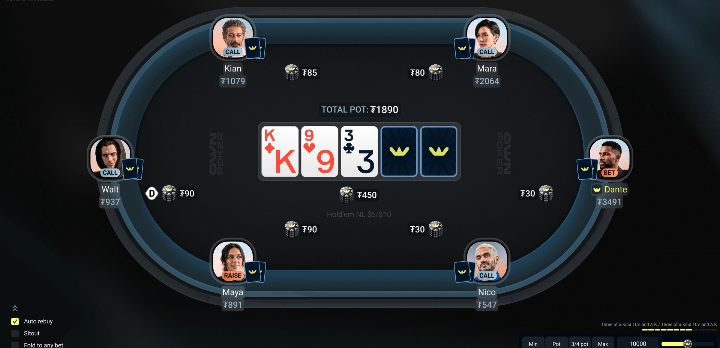
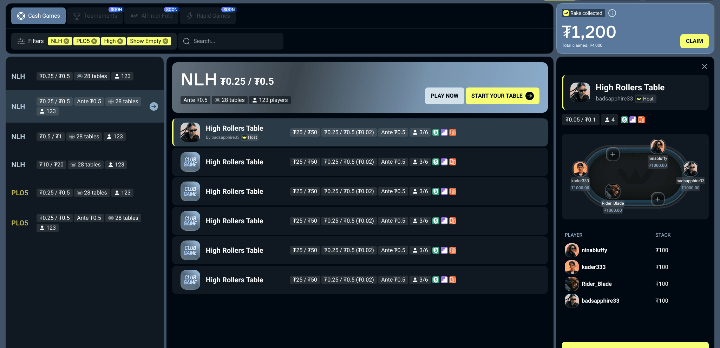
OwnPoker takes a different approach. It is a host-led online poker platform built around real-money tables with their own names, hosts and identity. Players can create a table, choose the game and stakes, manage access and play at the same table.
The idea is straightforward: instead of every game feeling like another anonymous entry in a lobby, the table gets its own identity.
OwnPoker at a Glance
| Feature | OwnPoker |
| Platform type | Host-led online poker platform |
| Games | Texas Hold’em, Omaha |
| Game Format | Cash Games |
| Tables | Public and private |
| Hosting | Players can create their own tables |
| Table setup | Name, game type, and blinds |
| Host rake | 80% of the total table rake |
| Minimum first deposit | $10 |
| Account currency | USDT |
| Deposit methods | USDT, ETH, BTC, Visa, Mastercard, Google Pay, Apple Pay |
| Withdrawal methods | USDT, ETH, BTC, Visa, Mastercard, Google Pay, Apple Pay |
| Play-money tables | No |
| Support | Live Chat |
Founded in 2026, OwnPoker focuses on cash-game poker and its host-led model rather than a large tournament schedule or bonus-driven experience.
What Is OwnPoker?
OwnPoker is an online poker platform where players can open their own tables and become hosts.
A host can create a table, give it a name, choose the game and blinds, and manage access to the room. Public tables can also be discovered by other players looking for a particular game.
Hosting is designed to be part of the normal poker experience rather than a separate management task: open a table, name it, play.
This gives players another way to choose a game. Alongside the usual considerations such as game type and stakes, they can see who is hosting the table and decide which room they want to join.
How the Host Model Works
The host is the person who creates and shapes the room.
This can include choosing the table name, game type and blinds, as well as managing access to the table. The host can also remove players where the platform’s rules allow it.
The host does not control the actual game. Cards, dealing and outcomes remain outside the host’s control. OwnPoker handles the underlying game infrastructure, cashier and platform rules.
Hosts shape the room. OwnPoker powers the game behind it.
The result is a poker environment where the room can have a recognizable host and character without changing the fundamentals of the game itself.
80% of the Total Table Rake
One of the most distinctive parts of OwnPoker is its host rake model.
A host receives 80% of the total rake generated by the table while playing. The share is based on the whole table rather than only on players personally invited by the host.
That makes the model different from conventional rakeback programs, where rewards are generally tied to an individual player’s activity.
At OwnPoker, the rake share is connected to the table the player hosts. A host can therefore open a game, play in it and receive a share of the rake generated across the table.
The economic side of hosting is built into the table itself rather than presented as a separate promotional reward.
Poker Games and Stakes
OwnPoker currently focuses on two established poker formats:
- Texas Hold’em
- Omaha
Both are offered as cash games.
When creating a table, the host selects the blinds, allowing games to be organized around different stakes and player preferences.
The platform supports both public and private tables. Public games can be discovered by other players, while private tables offer a more controlled setting for a specific group.
The relatively focused game selection keeps the product centered on its core experience: creating and playing cash-game tables.
Public and Private Tables
Table identity is an important part of the OwnPoker experience.
A table can have a name and a visible host rather than appearing as just another anonymous seat in a large lobby.

For public tables, this gives players another factor to consider when choosing a game. They can look at the host and the character of the table alongside the game type and stakes.
Private tables provide a more controlled option when a game is intended for a particular group.
For players who regularly play with friends or within a community, this can give recurring games a recognizable place online without requiring a separate poker setup.
Deposits and Withdrawals
The minimum first OwnPoker deposit is $10.
The account currency is USDT, with the platform supporting several deposit and withdrawal methods:
- USDT
- ETH
- BTC
- Visa
- Mastercard
- Google Pay
- Apple Pay
The availability of individual payment methods may depend on the player’s market.The combination of cryptocurrency and traditional card-based options gives players several ways to fund their account.
Does OwnPoker Offer Bonuses?
OwnPoker takes a different approach to promotions. The platform does not currently use traditional welcome bonuses or play-money tables, keeping the focus on real-money cash games and the host-led table experience.
Instead of building the player experience around promotional offers, OwnPoker puts more emphasis on the game itself, the table and the role of the host.
Who Is OwnPoker Best For?
OwnPoker is likely to appeal most to players who want more control over the environment around their poker game.
Recreational Players
You do not need to be a professional poker player to use the host model. Creating a table is simply another way to start a game rather than a separate job.
Players With Regular Groups
Players who regularly play with friends or a recurring community can use named tables to give their games a recognizable identity while keeping them online.
Players Interested in Hosting
The 80% whole-table rake share gives hosts a direct economic reason to create and maintain tables while continuing to play themselves.
OwnPoker vs. Traditional Online Poker Rooms
The biggest difference is not the poker itself. Hold’em is still Hold’em, and Omaha is still Omaha.
The difference is who the table is built around.
On a traditional online poker platform, the operator is usually at the center of the experience.
Players enter the lobby and choose from games that are already running.
OwnPoker puts more emphasis on the table itself. Players can create a named room, become the host and shape the environment around the game.
| Traditional Poker Room | OwnPoker |
| Platform-centered lobby | Table-centered experience |
| Players choose from existing tables | Players can create their own tables |
| Tables are often anonymous | Tables have names and visible hosts |
| Operator controls the table | Host shapes the room |
| Individual rakeback programs | Host receives 80% of total table rake |
The difference is therefore less about adding more poker features and more about giving players a different relationship with the table.
Final Verdict
OwnPoker is an interesting option for players who want more than a standard lobby experience.
Its main difference is not a larger game selection or a bigger bonus package. Instead, the platform is built around a host-led model that gives tables more identity and gives hosts a direct stake in the games they create.
For recreational players, the concept is simple enough to use without treating hosting as a separate job. For players with regular groups, named tables can provide a recognizable place to play. And for those interested in hosting, the 80% whole-table rake share adds an economic dimension to creating a game.
For players who value recognizable tables, recurring games and more control over the atmosphere around the game, OwnPoker offers a distinctly different way to play online poker.
OwnPoker puts the table first.
www.ownpoker.com
Free download securely from official OwnPoker server
Let's keep in touch