


Progressive vs Fixed Jackpot Slots: Key Differences Explained
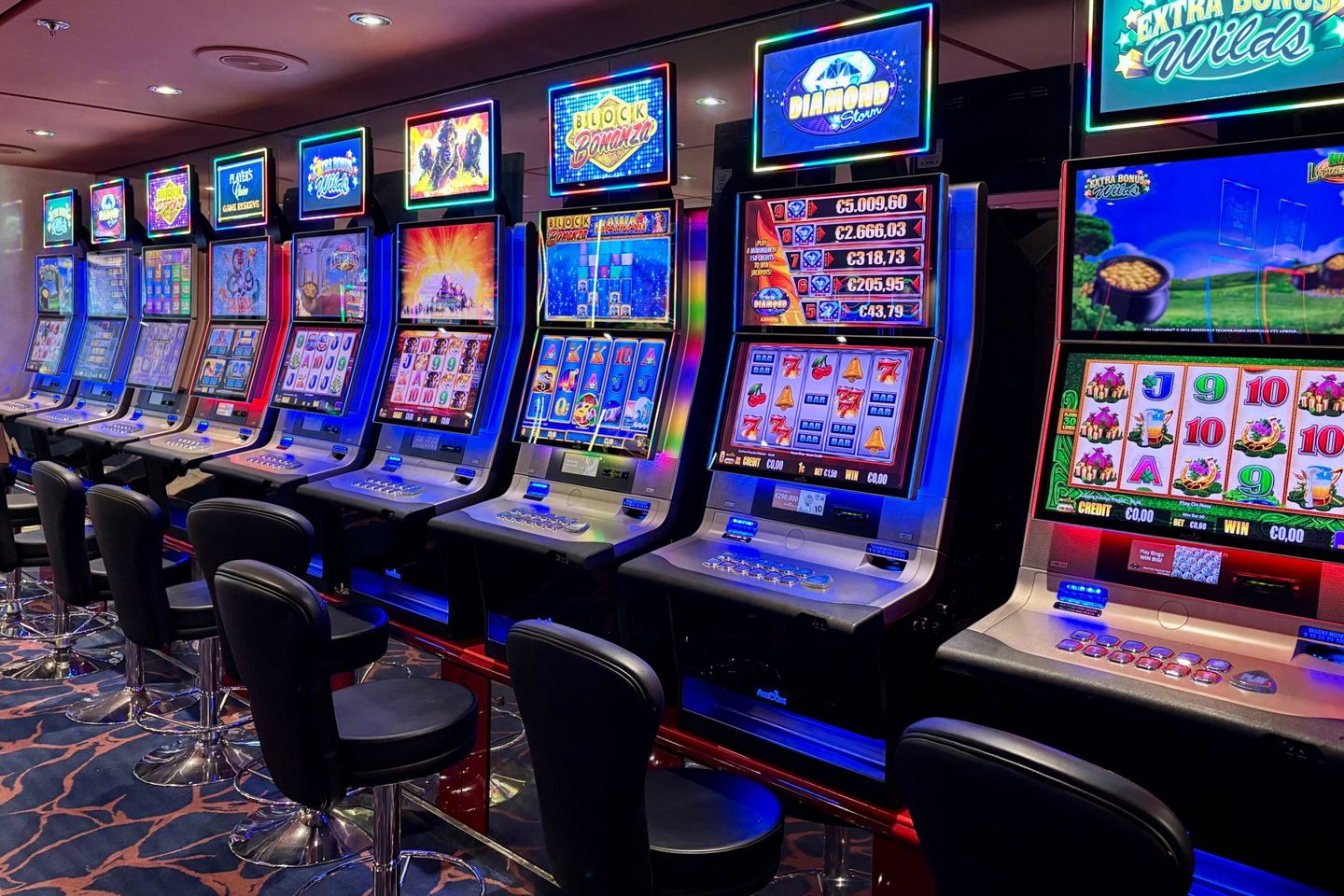
Fixed and progressive jackpot slots may look alike on the surface but the way their prizes work can be quite different. Looking at six practical differences can make it easier to understand what a jackpot figure actually represents.
Jackpot slots come in several formats and the difference between a fixed and progressive prize is not always obvious from the game screen. A fixed jackpot generally stays at a specified amount, whereas a progressive prize can move upward as qualifying play takes place. The distinction matters because the figure displayed above the reels is only one part of the game’s overall setup.
1. The Jackpot Amount Works Differently
The easiest place to start is with the prize itself.
A fixed jackpot normally has a set value determined by the game’s rules. If a slot advertises a $10,000 jackpot, for instance, the prize does not usually increase just because more people are playing. What happens when the jackpot is won and whether it returns to the same amount afterward depends on the individual game.
A progressive jackpot takes a different approach. The amount shown on the meter can increase as qualifying wagers are made and contributions are added to the jackpot. As a result, the prize displayed today may not be the same as the prize displayed later.
This is one of the features that can make progressive games stand out on a casino platform. A brand such as vegastar casino, for example, may present different jackpot titles where the prize mechanics vary from one game to another. This will be clearly outlined, so that you can make an informed decision around whether you’d prefer to partake in either progressive or fixed jackpots.
With games supported by software providers such as Pragmatic Play, Playson and Hacksaw, plus titles like Sugar Rush Super Scatter, Sugar Rush 1000 and Gates of Olympus 1000, there are many options out there. Knowing how and why different progressive slots differ from one another is therefore key to understanding the market.
Also, the important point is that a bigger number does not automatically mean better value, better odds or less risk. The jackpot needs to be considered alongside the paytable, qualifying wager, contribution rules and conditions for triggering the prize. A fixed jackpot provides a more consistent reference point. A progressive jackpot, meanwhile, makes the changing prize amount part of the game experience.
2. Fixed Does Not Always Mean Guaranteed
There is another distinction worth making because the terms can easily become blurred.
A fixed jackpot generally refers to a prize with a defined value or structure. A deterministic jackpot is more specific. It is designed to award a jackpot after a predetermined number of bets, with the precise triggering point established by the game’s mechanism.
A slot could have a fixed jackpot without using a deterministic mechanism. Equally, a progressive jackpot can have additional conditions governing when it has to be awarded. For anyone comparing games, the useful question is therefore not simply whether the jackpot is described as fixed.
3. Progressive Jackpots Can Have a Maximum
A third difference concerns the upper limit of a progressive prize.
The term “progressive” suggests that the jackpot can grow but that does not necessarily mean it can grow without a defined ceiling. Some games use a must-hit-by structure, where the jackpot increases until it reaches a predetermined maximum and must be awarded by that point. A must-hit-by jackpot begins at a defined value, increases according to the relevant meter mechanism and has a predetermined maximum at which the jackpot must trigger.
This creates a different setup from an ordinary fixed jackpot.
Imagine a hypothetical progressive starting at $5,000 with a must-hit-by amount of $10,000. The meter can move upward between those figures but the jackpot cannot continue beyond the stated ceiling under that particular arrangement.
The maximum does not, by itself, reveal exactly when the jackpot will be awarded. The game’s specific rules still matter. Different titles can use different starting values, contribution arrangements and trigger mechanisms.
For that reason, a must-hit-by progressive is best understood as a progressive jackpot with an additional upper boundary rather than simply another name for a fixed jackpot.
4. Jackpot Size Can Influence Betting Behavior
The size of a jackpot can also play a role in how people approach their bets.
A real-money electronic gaming machine study looked at betting behavior when players were presented with different jackpot structures and amounts. The research compared $500 and $25,000 jackpots and included both deterministic and progressive arrangements.
The results found that bets were 20.3% higher than average on large deterministic, non-progressive jackpots. On large progressive jackpots, bets were 17.8% higher than average. The figures should be read in the context of that particular study rather than applied to every player or every slot. They do, however, show that a prominent jackpot can influence betting intensity.
That is worth remembering when a progressive meter is climbing. A large prize can become one of the most noticeable features on the screen, particularly when the amount is displayed prominently.
5. Contribution and Reset Rules Are Different
Another important difference sits behind the jackpot display rather than on it: how the prize is funded and what happens after it is won.
With a fixed jackpot, there is generally no continuously rising meter to maintain. The prize is established by the game’s rules and the jackpot may return to a specified amount after being awarded.
Progressive jackpots need a mechanism that determines how the displayed figure changes. Qualifying wagers may contribute a specified amount or percentage to the jackpot, although the exact arrangement varies between games.
Before comparing two jackpot slots, it is useful to check:
- Contribution rate
- Qualifying bets
- Trigger conditions
- Reset value
- Maximum
- Paytable
These details can make two games with similar-looking jackpot figures work quite differently.
6. The Game Rules Matter More Than the Headline Prize
The final difference is really about how the other five differences come together.
A large jackpot figure is easy to notice but it does not explain how the game works. To understand a particular jackpot, players need to know how qualifying wagers contribute, what triggers the prize, whether there is a maximum and what happens once the jackpot has been awarded.
Must-hit-by progressives are a good example. The maximum tells players there is a defined ceiling, but the starting amount and meter rules provide additional context. Here’s an example of what this can look like:
| Feature | Fixed Jackpot | Progressive Jackpot |
| Prize value | Generally defined | Changes over time |
| Growth | Usually none | Typically linked to qualifying play |
| Maximum | Set by the game | May include a must-hit-by ceiling |
| Contributions | Usually not meter- based | Often linked to qualifying wagers |
| Reset | Game-specific | Often returns to a starting value |
| Trigger | Depends on the game | Depends on the game and jackpot rules |
For someone looking at an individual title, the game’s own rules are much more relevant. A VegaStar casino title with a progressive jackpot, for example, should be assessed according to its contribution rules, trigger conditions, reset arrangements and paytable rather than the size of the wider market.
The same applies when two games happen to display the same jackpot amount. A $10,000 fixed jackpot and a $10,000 progressive jackpot may have very different mechanics behind that figure.
Ultimately, the six key differences are straightforward: the way the prize changes, whether a jackpot uses a deterministic mechanism, whether a progressive has a maximum, how jackpot size can affect betting behavior, how contributions and resets operate and how important the individual game rules are.
Gambling is for entertainment purposes only and should never be seen as a way to make money. Please gamble responsibly and only bet what you can afford to lose. 18+ only.
Recent Posts:
Top Poker Room Recommendation

- 27% Rakeback
- $2000 Sign-up Bonus
- Bonus Code: RBCOM
Let's keep in touch